
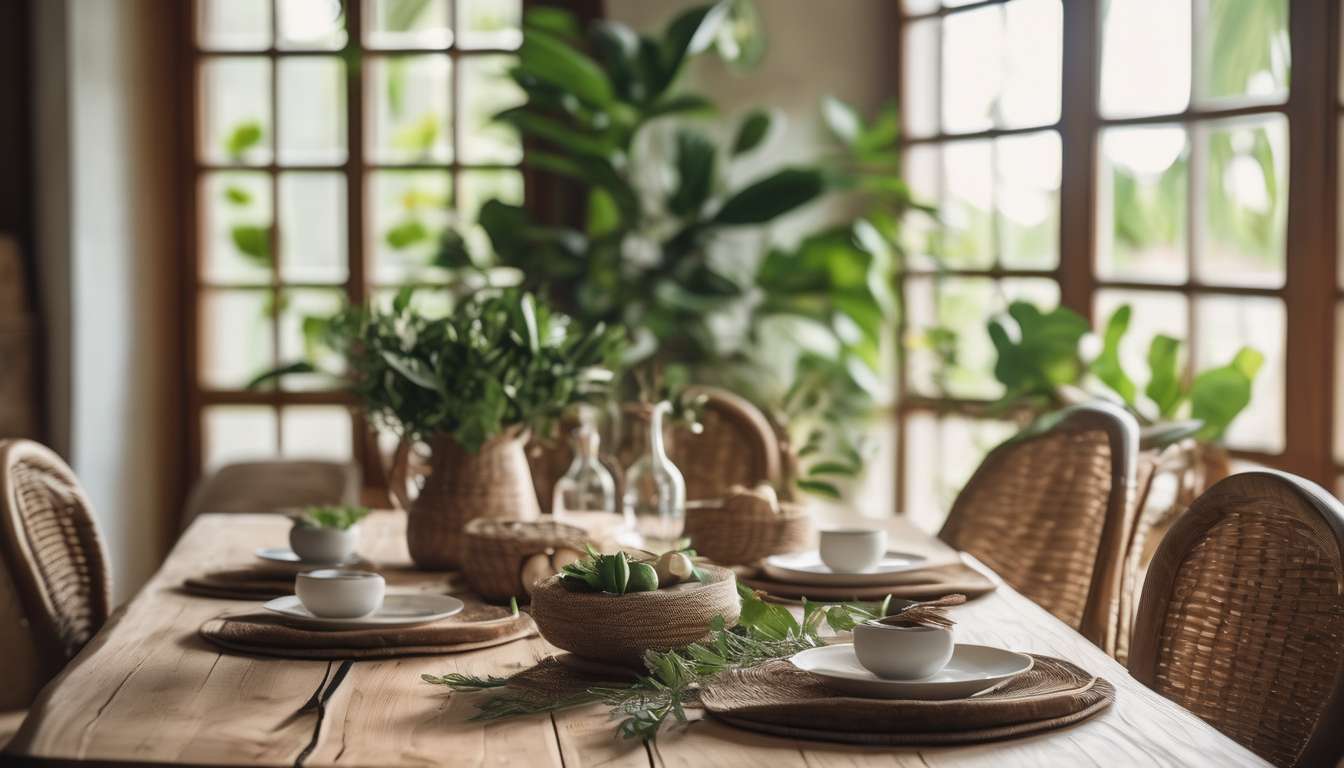
As we venture into the world of dining, whether for a casual meal or a significant business meeting, the art of table selection often goes unnoticed. Yet, we believe that choosing the right table can significantly enhance our dining experience. In this article, we aim to explore the nuances of smart and ethical table selection, understanding that the perfect spot can set the tone for memorable meals.
Strategic Aspects of Table Selection:
-
Ambiance:
- Consider the restaurant’s interior design and lighting.
- Opt for a table that complements the mood you wish to create.
-
Privacy:
- Choose a secluded spot for intimate conversations.
- For business meetings, ensure the table offers a professional setting.
-
Accessibility:
- Select tables that are easily accessible, especially if dining with individuals who have mobility challenges.
Ethical Considerations:
- Consideration for Staff and Other Diners:
- Avoid choosing large tables for small groups, ensuring space is available for larger parties.
- Be mindful of dining duration during peak times to allow others to enjoy their meals.
By sharing our insights and experiences, we hope to equip ourselves with the knowledge to make informed decisions that reflect respect and thoughtfulness, ultimately elevating our dining journeys.
Join us as we uncover the subtle art of table selection.
Ambiance Selection
Ambiance and Dining Experience
When selecting a table, consider how the ambiance of the space can enhance your dining experience. We all desire to feel like we belong, enveloped in an atmosphere that complements our presence. The right ambiance goes beyond just décor; it’s about finding a setting that resonates with our sense of community and connection.
- Whether it’s the warm glow of candles or the vibrant buzz of a lively crowd, the ambiance should make us feel at home.
Accessibility
Accessibility is another crucial factor. Ensure that everyone in your group can easily reach the table without hassle. This consideration fosters an inclusive environment where everyone feels welcomed and valued.
- By prioritizing accessibility, you contribute to a more harmonious gathering.
Balancing Privacy, Ambiance, and Accessibility
While privacy is important, focus on how ambiance and accessibility can collectively enhance your experience. By choosing a table that balances these elements, you create a space where everyone feels comfortable and connected.
Privacy Considerations
When choosing a table, we often seek a degree of seclusion that allows for intimate conversations without feeling isolated. Privacy is more than just a shield; it’s about creating a comfortable space where we can share thoughts openly.
We want a spot that balances seclusion with connection to the surrounding ambiance, ensuring we’re part of the vibrancy without being in the spotlight.
In our pursuit of the perfect table, we consider how the ambiance enhances our experience. The gentle hum of conversation around us can add warmth to our gathering, but we prefer it doesn’t drown out our voices.
- Strategic placement of dividers
- Thoughtful layout design
These elements can offer the right level of privacy, making us feel both secure and included.
Our choice isn’t just about avoiding prying eyes; it’s about finding a sanctuary where we can relax and connect, knowing our conversations are both accessible and discreet.
Accessibility Factors
When selecting a table, ensure everyone can easily navigate to their seats, especially those with mobility challenges. Making sure our space is welcoming involves more than just the right ambiance; it’s about creating an inclusive environment where everyone feels they belong.
Prioritizing accessibility means considering the layout carefully. Ask yourself:
- Are pathways wide enough for wheelchairs?
- Are there steps that might pose an obstacle?
By addressing these questions, we can enhance the dining experience for everyone.
Let’s not forget the importance of privacy too. While ensuring accessibility, we also need to provide tables that offer a sense of intimacy. Balancing privacy with accessibility can be tricky, but it’s essential for a harmonious setting.
By prioritizing both, we create an inviting atmosphere that respects individual needs. We’re not just setting tables; we’re setting the stage for connections, laughter, and memories.
With thoughtful consideration, we can cultivate a space where everyone feels at home.
Staff & Diners Respect
Respect between staff and diners is crucial for fostering a positive dining experience. When we prioritize mutual respect, we create an inviting ambiance that encourages everyone to feel welcome and valued.
This respect starts with acknowledging the importance of accessibility. We must ensure that our dining spaces cater to everyone’s needs, making it easy for all guests and staff to move around comfortably.
Privacy also plays a significant role in this dynamic. By arranging tables to offer diners a sense of personal space, we show that we value their experience and comfort. At the same time, maintaining clear pathways for staff to navigate efficiently is essential in respecting their role and efforts.
When we cultivate an environment where staff and diners feel respected, we build a sense of belonging. It’s remarkable how thoughtful table selection can enhance the overall dining experience, ensuring that both the staff and diners leave with a smile and a desire to return.
Seating Proportions
Finding the right seating proportions is essential for maximizing comfort and functionality in our dining spaces. When we consider the ambiance, it’s crucial to create an environment where everyone feels welcome and relaxed. Proper seating proportions ensure that each diner has enough personal space, contributing to a cozy yet spacious atmosphere. We want our guests to enjoy their meal without feeling cramped, which greatly enhances their overall dining experience.
Accessibility is another important factor. We need to ensure that our seating arrangements cater to everyone, including those with mobility challenges. Key considerations include:
- Wide aisles
- Appropriately spaced chairs
These elements make our dining areas more inclusive, allowing everyone to move freely and with ease.
Privacy also plays a significant role in seating proportions. By thoughtfully arranging tables, we can offer a sense of intimacy, where conversations flow naturally without the worry of being overheard.
Balancing these elements helps us create a dining space where everyone feels they truly belong, enjoying both their meal and their company.
Dining Duration Awareness
Optimizing Dining Duration for Enhanced Guest Experience
Being mindful of dining duration helps us optimize table turnover and enhance the overall dining experience for our guests. When we consider how long guests might stay, we can strategically select tables that suit their needs.
- Smaller tables with cozy ambiance are perfect for quick lunches.
- Larger, more private settings accommodate leisurely dinners.
This thoughtful approach ensures that each guest feels valued and catered to, fostering a sense of belonging.
Accessibility Considerations
Accessibility is another crucial factor. We should ensure that tables for shorter visits are easily accessible, allowing guests to arrive and depart smoothly. This not only respects their time but also enhances the flow of our dining area.
Meanwhile, for longer dining experiences, tables that offer more privacy enrich the sense of exclusivity and comfort for our guests.
Creating a Harmonious Environment
By aligning table selection with dining duration, ambiance, and accessibility, we create a harmonious environment where guests feel welcome and cared for, ultimately elevating their dining experience with us.
Noise Level Awareness
Noise Level Considerations
We need to be mindful of noise levels when selecting tables to ensure our guests can enjoy their meals in a comfortable setting. By aligning our choices with their expectations, we foster an ambiance that speaks to both camaraderie and tranquility.
- Consider proximity to bustling kitchens or busy entrances, as these can affect the dining experience.
- Strive for a balance between lively interaction and moments of quiet reflection, as this is essential for creating a sense of belonging.
Seating Selection
When we choose seating, accessibility and privacy go hand in hand. Selecting tables away from high-traffic areas not only reduces noise but also enhances the sense of personal space our guests crave.
- Find a sweet spot where conversations can flow freely without competing with clattering dishes or loud conversations.
- Prioritize these factors to ensure an inclusive environment where everyone feels welcomed and connected.
By focusing on these elements, we create memories that resonate long after the meal concludes.
Seating Area Etiquette
Ensuring Guest Comfort and Respect Through Seating Etiquette
When selecting a table, consider the following key aspects to ensure a welcoming and comfortable atmosphere for all guests:
-
Ambiance:
- Choose a table that offers a warm and inviting atmosphere.
- A welcoming environment helps everyone feel at ease and part of the group.
-
Accessibility:
- Prioritize seating arrangements that accommodate everyone, including those with mobility challenges.
- This fosters inclusivity and demonstrates a commitment to everyone’s comfort.
Privacy and Intimacy
-
Privacy:
- Select spots that allow conversations to remain personal.
- Ensuring privacy helps guests feel safe sharing their thoughts.
-
Intimacy:
- Opt for tables with some distance from high-traffic areas.
- Creating a sense of intimacy encourages connection among guests.
Collective Goal
Our aim is to create an environment where all guests feel valued and included. By paying attention to these details:
- We enhance the dining experience.
- We make the occasion memorable for everyone.
Let’s keep these elements in mind to ensure everyone feels like they truly belong.
What are the best materials for a durable dining table?
When choosing a durable dining table, consider materials that offer both longevity and style.
Solid Wood:
- Popular choices include oak and maple.
- Known for sturdiness and timeless appeal.
Metal Frames:
- Often paired with materials like tempered glass.
- Provides durability and a modern look.
Key Consideration:
- Balance aesthetics with functionality to ensure longevity in your dining table selection.
How do I choose a table style that fits my home’s interior design?
When choosing a table style for our home’s interior design, we focus on finding one that complements our space.
We consider several factors to ensure it fits seamlessly into our decor:
- Size: The table should be proportionate to the room and other furniture.
- Shape: Choose a shape that suits the room’s layout and flow.
- Color: Select a color that matches or contrasts well with existing decor.
By blending functionality with aesthetics, we aim to create a cohesive look that reflects our personal style and makes us feel at home.
It’s all about finding a balance that speaks to us and enhances our living environment.
What are the most popular shapes for dining tables, and how do they affect functionality?
When it comes to dining tables, the most popular shapes are rectangular, round, and square.
Rectangular tables are great for:
- Maximizing seating.
- Fitting into long rooms.
Round tables are ideal because they:
- Encourage conversation.
- Work well in smaller spaces.
Square tables offer versatility as they:
- Fit nicely in various room layouts.
Choosing the right shape can greatly impact the functionality and flow of your dining area, so consider your needs and preferences carefully before making a decision.
Conclusion
When choosing a table at a restaurant, consider the following factors to ensure a pleasant dining experience:
Ambiance: Choose a table that matches the atmosphere you’re looking for, whether it’s lively or intimate.
Privacy: Look for a spot that offers the level of privacy you desire, away from high-traffic areas.
Accessibility:
- Ensure the table is easily accessible for everyone in your party.
- Consider proximity to entrances, exits, and restrooms.
Respect for Staff and Other Diners:
- Avoid seating that obstructs the staff’s workflow.
- Be mindful of areas that may disturb other diners.
Seating Proportions: Ensure that the table size is appropriate for your group, providing enough space for comfort and movement.
Dining Duration: If you plan to dine for an extended period, select a table that offers comfort and does not inconvenience the staff or other guests.
Noise Level: Choose a table that suits your preference for noise, whether you prefer a quieter area or enjoy the hustle and bustle.
Seating Etiquette:
- Follow any specific seating instructions or reservations.
- Be considerate of the restaurant’s seating arrangements and policies.
By considering these factors, you can enjoy a delightful dining experience for yourself and those around you. Happy dining!